What Changed and Why It Matters
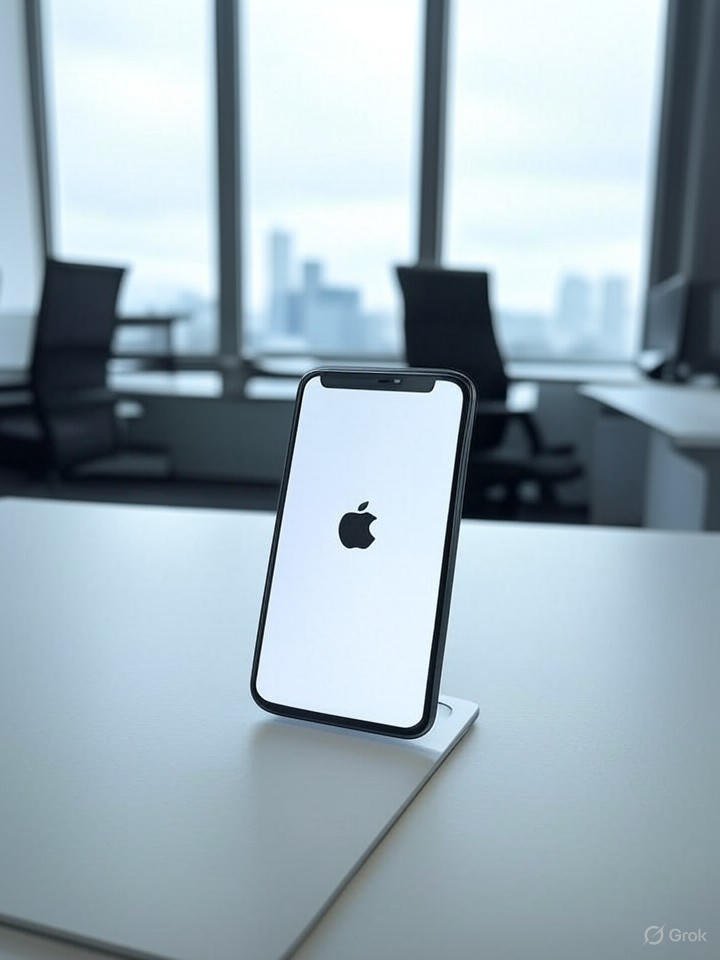
Apple just lost a rising star. Abidur Chowdhury, the industrial designer who introduced the iPhone Air at Apple’s September event, has left for an unnamed AI startup.
“Bloomberg reports the industrial designer who introduced the iPhone Air during Apple’s September event, has left for an unnamed AI startup.” — 9to5Mac
This is not an isolated exit. It’s part of a pattern: top designers and AI researchers are drifting toward AI-first companies.
“Instead, his exit fits into a broader pattern: top designers and engineers are increasingly being pulled toward artificial intelligence.” — Gizmochina
Zoom out and the signal is clear. The center of gravity in consumer tech is shifting. Talent is voting with its feet for speed, ownership, and new platform upside.
The Actual Move
Here’s what happened across reports:
- Abidur Chowdhury left Apple to join an AI startup. Multiple outlets cite Bloomberg as the source.
- The departure “made waves” internally. He was seen as a next-generation design leader.
- It follows a string of high-profile design and AI exits in recent years.
- Separate reporting points to AI strategy tensions and research departures on the Siri side.
- Gizmochina notes an “Air 2” is in development, suggesting Apple’s roadmap continues despite turnover.
“Abidur Chowdhury recently departed Apple to join an AI startup, a move that apparently ‘made waves’ internally because he was a rising star…” — MacRumors
“A top Apple designer — Abidur Chowdhury — recently left the company for an AI startup, according to a new report from Bloomberg.” — Yahoo Finance
“Apple is facing mounting internal fractures over its AI strategy, losing one of its top researchers while scrambling to keep key teams on board.” — AppleInsider Forums
The Why Behind the Move
This isn’t just about one designer. It’s about where the next wave of impact and wealth creation sits. Through a builder’s lens:
• Model
AI companies ship faster. They iterate in public. The work is software-led and compounding. Design now shapes model UX, agent behavior, and multimodal interfaces—not just hardware.
• Traction
Real-time user feedback loops and rapid deployment cycles create visible impact. Builders can see their work hit users weekly, not yearly.
• Valuation / Funding
Equity upside is attractive. Early-stage AI startups raise at premium terms and move toward product-market fit quickly if they find a wedge.
• Distribution
AI-native products ride existing channels: APIs, plugins, app stores, and enterprise pilots. Designers and PMs can translate capability into daily workflows fast.
• Partnerships & Ecosystem Fit
The ecosystem is open and composable. Startups integrate models, tools, and data vendors without legacy constraints. That lets design lead the stack, not follow it.
• Timing
We are mid-platform shift. The next two years will set norms for AI UX, privacy defaults, and agent safety. Early contributors can define the playbook.
• Competitive Dynamics
Tech giants optimize for scale, stability, and services margin. Startups optimize for learning speed and frontier UX. In AI, speed and conviction compound.
• Strategic Risks
Startups face model costs, differentiation pressure, and compliance risk. Apple risks erosion of design continuity and slower AI-native UX. Both sides trade off certainty for leverage.
“When your youngest design talent chooses an unnamed AI startup over being the next generation to shape iPhone, you’re not losing an employee.” — LinkedIn News (editorial framing)
What Builders Should Notice
- Talent follows velocity. Remove blockers or lose builders.
- Ownership matters. Equity and authorship beat prestige in platform shifts.
- UX is the moat in AI. Models commoditize; experiences don’t.
- Shipping cadence sets culture. Weekly releases outrun annual keynotes.
- Strategy clarity retains teams. Ambiguity creates markets—for your competitors.
Buildloop reflection
Every platform shift starts as a talent shift.
Sources
- 9to5Mac — Apple loses iPhone Air designer to unnamed AI startup
- LinkedIn News — Apple loses star iPhone Air designer to AI startup
- Reddit — ELI5: why isn’t apple leading the Ai space the way other …
- Yahoo Finance — Apple Loses Another Top Product Designer After Jonny Ive
- Tech Times — Apple Faces Another Design Exit as iPhone Air Innovator …
- MacRumors — Another Designer Leaves Apple
- Gizmochina — The man behind the iPhone Air left Apple for an AI startup …
- AppleInsider Forums — Apple faces AI talent turmoil as senior Siri researcher departs