
What Changed and Why It Matters
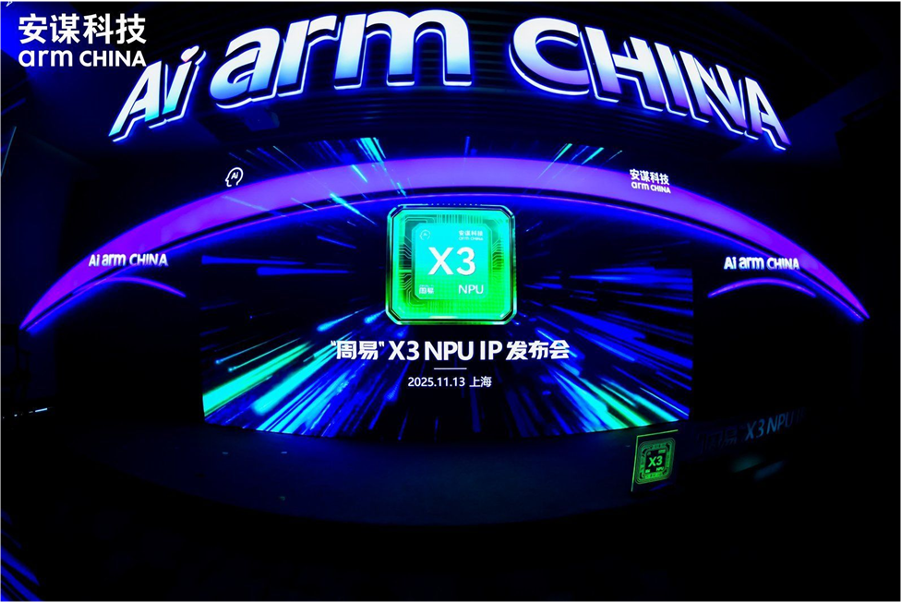
Arm China introduced the Zhouyi X3 NPU IP. It targets large model inference at the edge. The company is also pushing Linux kernel support and a public SDK.
This matters for two reasons. First, it moves LLM and vision workloads off cloud and onto devices. Second, it ties AI acceleration to open tooling, not closed stacks.
It fits a broader pattern. Every major vendor is shipping NPUs for on-device AI. The twist here is upstream Linux integration plus developer boards.
DigiTimes frames this as a “reset” for Arm China. The X3 signals stability and a fresh AI push after internal turmoil.
“Here’s the part most people overlook.”
Upstream drivers change who adopts you by default.
“This looks small, but it changes the incentive structure.”
Edge-first design reduces cloud costs and regulatory friction.
The Actual Move
- Product: Zhouyi X3 NPU IP for edge inference. It’s a DSP+DSA accelerator.
- Target: Infrastructure edge, gateways, and embedded devices.
- Workloads: Large language models and computer vision.
- Precision: FP8, FP16, and INT8 support reported.
- Software:
- Linux driver RFC for the new “accel” subsystem.
- Open-source driver effort publicly discussed since 2024.
- AIPU SDK with compiler, runtime, and samples available via board docs.
- Hardware access: A developer board is available for the Zhouyi NPU design.
- CPU alignment: Targets domestic CPUs and Arm-based SoCs in China.
- Distribution model: IP licensing to chipmakers; dev kits for builders.
- Geography: China-led launch with global-friendly tooling via Linux.
- Pricing: No public pricing disclosed.
- Availability: X3 IP announced; SDK and driver work are accessible today.
The Why Behind the Move
• Model
Arm China is betting on IP licensing plus open software. Upstream drivers reduce friction and increase default adoption.
• Traction
Early SDKs and dev boards show real builder focus. RFC drivers signal a path to mainline Linux.
• Valuation / Funding
No new funding tied to the launch. The reset narrative aims to rebuild confidence.
• Distribution
Linux-first distribution compounds. It lands Zhouyi in distros, SBCs, and OEM images by default.
• Partnerships & Ecosystem Fit
Alignment with SBC makers and domestic CPU vendors is clear. SDK docs in the wild show third-party enablement.
• Timing
Edge LLMs are peaking. Privacy rules and cloud costs push inference on device. Export limits further nudge domestic compute.
• Competitive Dynamics
Targets Apple’s Neural Engine, Qualcomm’s Hexagon, and Intel/AMD NPUs. In China, it contends with Huawei, Cambricon, and others. FP8 support and Linux upstreaming are its wedge.
• Strategic Risks
- Performance parity with incumbents is unproven.
- Kernel upstreaming can stall or change scope.
- Software maturity and ops coverage must match dev needs.
- Fragmentation across boards may slow portability.
Here’s the part most people overlook: upstream acceptance is a moat.
This looks small, but it changes vendor lock-in economics.
What Builders Should Notice
- Distribution compounds faster than model quality.
- Linux kernel alignment turns hardware into a default option.
- SDK clarity beats raw TOPS in early adoption.
- Edge inference is a cost and control strategy, not a fad.
- Open drivers expand your partner surface without BD.
Buildloop Reflection
Tiny product updates often signal massive strategy shifts.
Sources
- DigiTimes — Arm China resets its AI push with the Zhouyi X3 NPU
- Jon Peddie Research — Arm China points Zhouyi X3 at the edge
- Phoronix — Arm China Looking At Upstreaming Their “Zhouyi” NPU Driver Into The Linux Kernel
- TechPowerUp — Arm China Develops NPU Accelerator for AI, Targeting Domestic CPUs
- Tom’s Hardware — Arm China bolsters its AI accelerator with open source drivers and a developer board
- Radxa Docs — Zhouyi AIPU SDK
- Jon Peddie Research — Arm China
- DigiTimes — Arm expands Flexible Access program to Armv9 platform to …
- TechRepublic — Chinese AI Models Are Rising Fast. Should You Trust Them?
- AI Link — Arm China Expanding AI Technology with Linux Kernel Integration